전체 방송국 검색
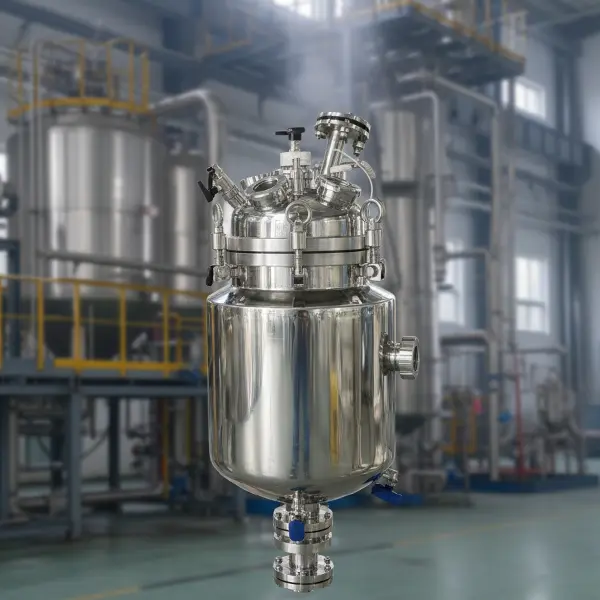
Stainless steel autoclave reactors are essential pressure vessels widely used in chemical synthesis, material science, pharmaceutical research, and industrial process development. Designed to withstand high temperatures and high pressures, these reactors provide a sealed and controlled environment for reactions involving liquids, gases, or supercritical fluids.
Due to their excellent corrosion resistance, mechanical strength, and thermal stability, stainless steel autoclave reactors are ideal for hydrothermal synthesis, solvothermal reactions, polymerization, hydrogenation, and catalyst testing. They play a critical role in both laboratory-scale experiments and pilot-scale production.
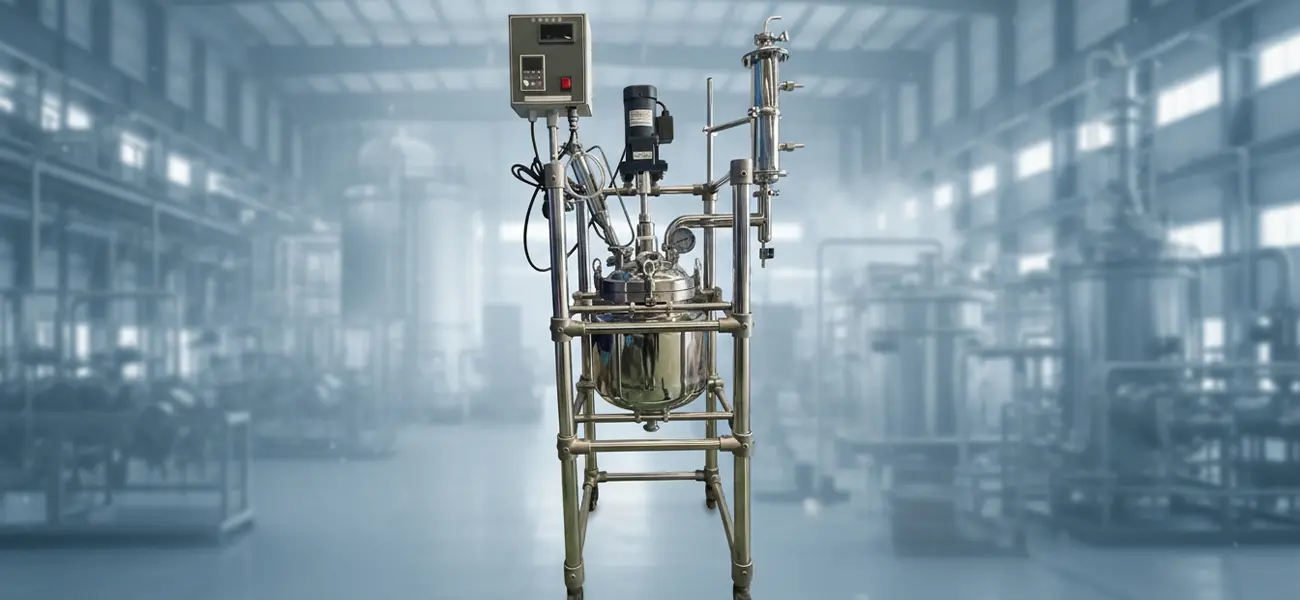
A stainless steel autoclave reactor is a high-pressure, high-temperature reaction vessel typically made from stainless steel grades such as SS304, SS316, or SS316L. It is designed to safely contain chemical reactions under extreme conditions while maintaining precise control over temperature, pressure, stirring speed, and reaction time.
These reactors are commonly equipped with:
SS304 is suitable for general chemical reactions involving neutral or mildly corrosive substances. It offers good mechanical strength and cost efficiency.
SS316 and SS316L provide superior corrosion resistance, especially against acids, chlorides, and solvents. These grades are commonly used in pharmaceutical, chemical, and advanced material applications.
The working principle of a stainless steel autoclave reactor is based on sealed reaction under controlled pressure and temperature.
This controlled environment enables reactions that are impossible under atmospheric conditions.
Used for research and development, typically ranging from 25 ml to 10 liters, ideal for material synthesis and chemical research.
Used to bridge laboratory research and industrial production, helping optimize process parameters.
Designed for continuous or batch production under extreme conditions, often customized for specific processes.
Each heating method is selected based on reaction requirements and scale.
Widely used for synthesizing crystals, nanomaterials, and functional materials under high pressure and temperature.
Used for drug synthesis, intermediate reactions, and API development under controlled conditions.
Ideal for polymerization, oxidation, hydrogenation, and catalytic reactions.
Used for producing advanced ceramics, battery materials, and composite materials.
Safety is a critical aspect of stainless steel autoclave reactor design. Key safety features include:
Proper operation and maintenance ensure safe and reliable performance.
Regular inspection, cleaning, and seal replacement are essential for maintaining reactor performance. Stainless steel surfaces are easy to clean and compatible with most solvents and cleaning agents.
| Model | BSF-10L | BSF-20L | BSF-30L | BSF-50L | BSF-100L |
| Power(W) | 200(1:3) | ||||
| External dimensions(mm) | 540*480*1800 | 550*700*1830 | 550*700*1950 | 700*600*2050 | 700*800*2270 |
| Number of cauldron lid openings | 8 | ||||
| Temperature measurement port | 50.5 chuck / φ8 temperature measuring tube | 50.5 chuck / φ12 temperature measuring tube | |||
| Drop hole | 50.5 mm chuck/1000 ml funnel | 50.5 mm chuck / 2000 ml funnel | |||
| Return hole | 50.5 chuck / φ38 | 50.5 chuck / φ38 | |||
| sight glass | φ51 | φ89 | |||
| sight glass | φ32 | / | |||
| Feeding port | / | φ89 | |||
| Pressure gauge port | 50.5 mm chuck / integrated pressure gauge | ||||
| exhaust vent | 2-way exhaust valve | ||||
| Mixing hole | SUS316L propeller-type mixing impeller | ||||
| High and low temperature resistance (°C) | -120~260 | ||||
| Stainless steel thickness (mm) | φ3 | φ4 | |||
| Discharge valve port diameter | φ35 | ||||