Materials synthesis: for example, dolomite calcination, ceramic production, or catalyst development. Metallurgy and chemistry: roasting ores, sintering materials, or performing reduction/oxidation reactions.
TEL+8618836556085
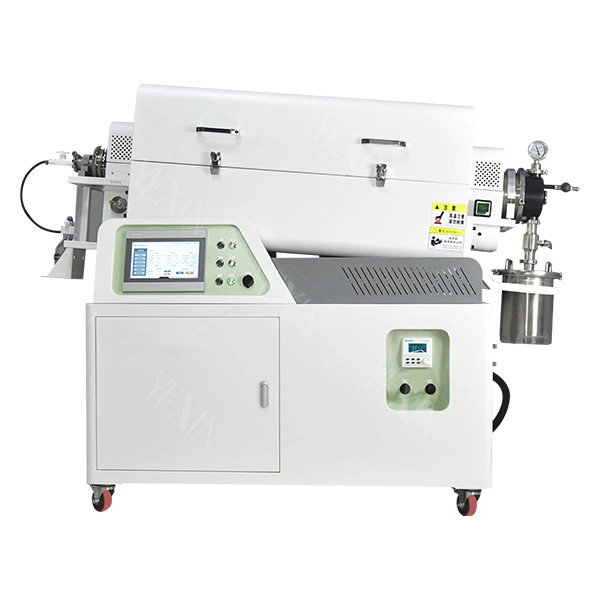
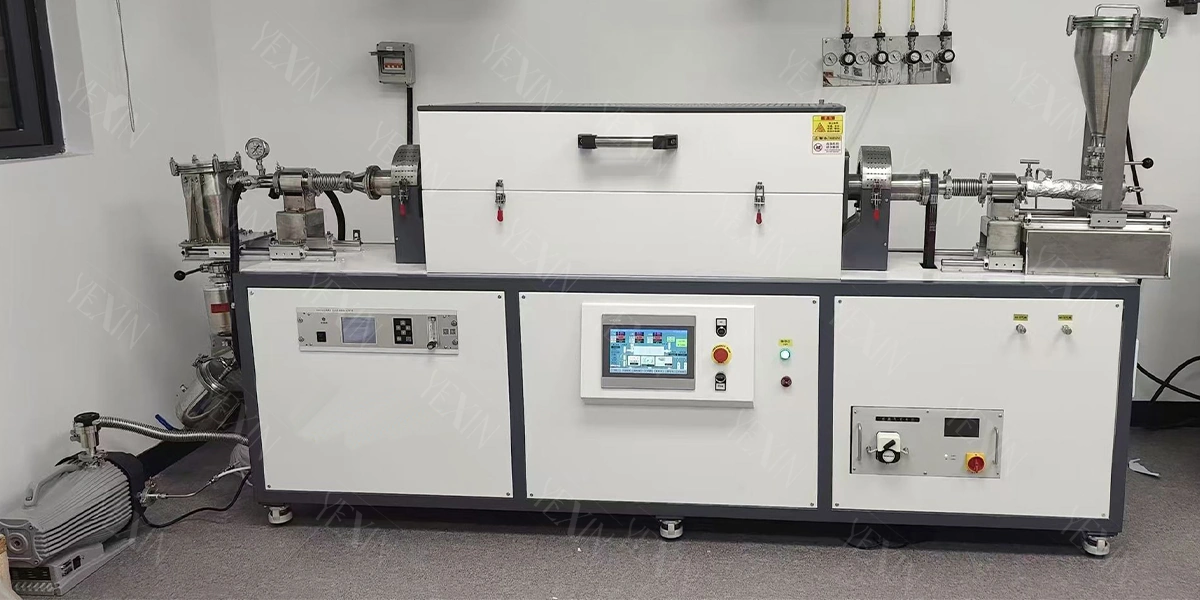
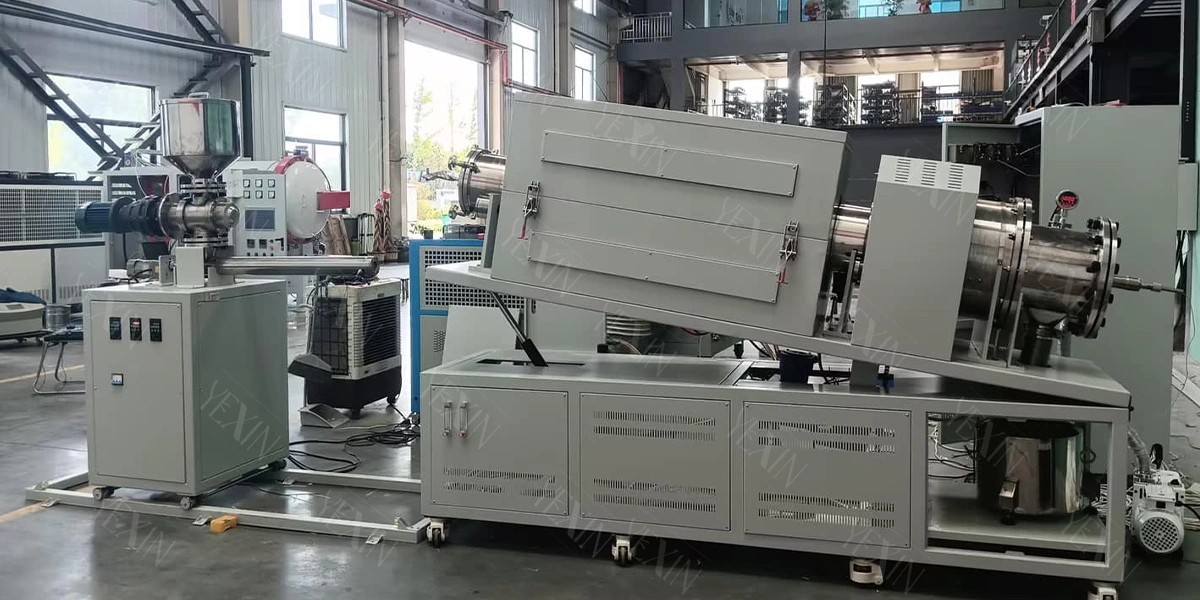
laboratory scale rotary kiln
In cutting-edge research within fields like materials science, chemistry, metallurgy, and environmental protection, thermal processing is a cornerstone of countless innovative processes. The laboratory rotary kiln, a miniaturized high-temperature equipment that perfectly combines precise control with flexible simulation, is increasingly becoming an indispensable core asset in major laboratories, research institutions, and corporate R&D centers. This article delves into the working principle, core advantages, key application areas, selection guide, and future trends of laboratory rotary kilns, providing a comprehensive analysis of this “Miniature Calcination Expert at the Forefront of Research and Industry.”
1. What is a Laboratory Scale Rotary Kiln? Dynamic Thermal Processing Beyond Traditional Muffle Furnaces.
As the name suggests, a laboratory rotary kiln is a scaled-down, highly optimized version of an industrial large rotary kiln, designed specifically for laboratory environments. Its core feature is “rotation” – a precision tubular furnace chamber (typically made of corundum, quartz, or special alloy tubes) that rotates at a constant speed.
Unlike static heaters like muffle or box furnaces, the material in a laboratory rotary kiln is not stationary. As the tube rotates slowly, the material is constantly lifted, tumbled, mixed, and evenly exposed to the high-temperature heating zone. This dynamic heating mode achieves:
Excellent Uniformity: Completely avoids issues like uneven heating, agglomeration, local hot spots, or incomplete reactions common in static heating.
High Mass and Heat Transfer Efficiency: The constant movement of the material significantly increases the contact area with hot air and reaction atmospheres, markedly accelerating reaction rates and shortening experimental cycles.
Accurate Process Simulation: Can very realistically simulate the production conditions of industrial continuous rotary kilns, providing extremely reliable data support for scaling up from “lab-scale -> pilot-scale -> industrial-scale” production.
Therefore, the laboratory rotary kiln is not just equipment for high-temperature reactions but a powerful process development and optimization platform.
2. Five Core Components and Advantages of Laboratory Rotary Kilns
A high-performance laboratory rotary kiln is the perfect synergy of its precision components. Its main structures include:
Rotation System: The core drive part, usually consisting of a high-performance servo or stepper motor, a precision reducer, and a gear/roller transmission system. It enables stepless speed regulation of the furnace tube, ensuring stable and adjustable speed for repeatable and consistent material flow.
Furnace Tube and Body:
Furnace Tube: Serves as the container and reaction site for the material. Material choice is crucial. Common ones are high-purity alumina corundum tubes (high temperature and corrosion resistance), quartz glass tubes (suitable for acidic environments but lower temperature limit), and special alloy tubes (e.g., 310S, oxidation resistant).
Furnace Body: Uses high-quality ceramic fiber material as insulation, coupled with a double-layer air-cooled structure, ensuring low shell temperature, energy efficiency, and effectiveness. Built-in high-performance resistance wires (like silicon molybdenum or silicon carbide rods) as heating elements can reach high temperatures of 1200°C, 1400°C, or even 1700°C.
Temperature Control System: The “brain” of the laboratory rotary kiln. Employs an intelligent PID controller (often programmable), equipped with high-precision K-type or S-type thermocouples, achieving precise control of heating, insulation, and cooling curves. It can store multiple process curves and is highly automated.
Tilt Angle Adjustment System: Many advanced models support adjusting the furnace body’s tilt angle. Changing the angle, combined with rotation speed, controls the material’s residence time inside the kiln, a key parameter for simulating industrial production.
Atmosphere System: Can be configured with gas inlets and outlets for introducing inert gases like nitrogen or argon for protective sintering, or gases like oxygen, air, or carbon monoxide to participate in reactions, meeting experimental needs under various atmospheric conditions (e.g., reduction, oxidation, carburization, nitridation).
Summary of Comprehensive Advantages:
Dynamic Heating, Uniform and Efficient: Thorough reactions, consistent product quality.
Flexible Control, Adjustable Parameters: Independent and precise control of multiple variables: temperature, speed, tilt angle, atmosphere.
Versatile, Wide Applications: Adaptable to various processes by changing tube material and atmosphere.
Compact, Energy-Efficient, Safe: Designed for labs, easy to operate, with comprehensive safety features.
3. Wide Range of Applications: From Nanomaterials to Planetary Soil
The applicable fields of laboratory rotary kilns cover almost all cutting-edge technologies requiring dynamic high-temperature processing.
New Materials R&D:
Lithium Battery Cathode/Anode Materials: Sintering and coating modification of Lithium Iron Phosphate (LFP), Lithium Cobalt Oxide (LCO), Ternary materials (NCM/NCA).
Catalytic Materials: Calcination of catalyst supports (e.g., alumina balls), loading and activation of active components.
Ceramic Materials: Pre-sintering of electronic ceramics, structural ceramics, ceramic pigments.
Nanomaterials: Thermal treatment of precursors for nano-oxides, carbon nanotubes, etc.
Metallurgical and Geological Research:
Mineral Roasting: Research on magnetization roasting of lean iron ore, oxidation roasting of gold ore, roasting processes for vanadium slag, spodumene, manganese ore.
Metal Recovery: Roasting pre-treatment for recovering valuable metals from spent catalysts, electronic waste.
Geological Simulation: Simulating high-temperature and high-pressure environments of the mantle and crust (requires pressure vessels), studying mineral formation.
Chemical Industry:
Catalyst Regeneration: Coke burning regeneration of deactivated catalysts.
Polymer Materials: Pre-oxidation of continuous carbon fibers, activation and regeneration of activated carbon.
Chemical Intermediates: High-temperature synthesis of pigment and dye intermediates.
Environmental Protection and Energy:
Solid Waste Treatment: Incineration and ashing experiments of sludge and waste, research on harmless treatment of hazardous waste.
Adsorbent Preparation: Calcination of zeolite molecular sieves, activated alumina, etc.
New Energy: Research on biomass pyrolysis and gasification.
Frontier Science and Special Fields:
Aerospace: High-temperature testing of materials simulating space environments, or processing extraterrestrial materials like lunar or Martian soil simulants.
Archaeology: Restoration research of ancient ceramic firing techniques.
4. How to Choose a Suitable Laboratory Rotary Kiln?
Facing a myriad of products on the market, choosing the right equipment is the first step to successful research. Consider the following aspects:
Maximum Working Temperature: Determine based on your material’s melting point and reaction temperature. Common ranges are 1200°C, 1400°C, 1700°C. Higher temperatures mean greater technical difficulty and cost.
Furnace Tube Material and Size:
Material: Choose based on the chemical properties of your material. Corundum tubes are most universal; quartz tubes suit acidic environments but are limited to ~1100°C; for alkaline environments or metal melts, consider special alloy steels.
Size (Diameter and Length): Determines the batch size per experiment. Common diameters range from Φ40mm to Φ100mm or larger. Balance sample quantity with heating uniformity.
Control System:
Temperature Controller: Does it support multi-segment programming? Is the touchscreen operation user-friendly? Can it connect to a computer for data export and remote control?
Rotation Speed and Tilt Angle: Does the speed range (typically 0-10 rpm) and tilt adjustment range meet your research needs for material residence time?
Atmosphere Requirements: Is an atmosphere needed for protection or reaction? How is the system’s airtightness? What is the maximum pressure rating? Are the interfaces standard and easy for gas line connection?
Safety Features: Does the equipment have overtemperature protection, thermocouple break protection, overcurrent protection? Is the outer shell insulation effective?
Brand and After-Sales Service: Choose a brand with strong technical strength and good reputation, ensuring complete installation training, technical support, and timely after-sales service.
5. Operating Precautions and Maintenance
Safety First: Always wear high-temperature gloves and safety glasses when operating. Keep flammable and explosive materials away from the equipment.
Proper Loading: The material loading volume should not exceed 1/4 to 1/3 of the tube volume to ensure sufficient mixing space.
Never Exceed Temperature: Absolutely do not exceed the rated maximum temperature of the furnace tube and heating elements.
Smooth Start/Stop: Start rotation at low speed before heating; stop rotation only after cooling down to a safe temperature.
Regular Maintenance: Regularly check electrical connections, tighten loose fasteners, clean dust and debris inside and outside the furnace chamber, and lubricate transmission parts (e.g., gears, bearings). When not used for extended periods, keep the furnace chamber dry and clean.
laboratory scale rotary kiln Video
laboratory scale rotary kiln parameters
Model
YXG-1100-R
Power
15KW
Voltage
AC220V 50/60Hz
Operating temperature
Short-term working time 1000℃ (high purity quartz tube, t≤0.5h)
Continuous operating temperature
900℃
Heating rate
1-10℃/min
Temperature control method
Fuzzy PID control and self-tuning adjustment, intelligent 30-segment programmable control, over-temperature and broken couple alarm function

 xuye
xuye