Buscar en toda la estación
Choosing the right stainless steel chemical reactor for your specific application can significantly impact the efficiency, safety, and overall success of your chemical processes. Whether you’re involved in pharmaceutical manufacturing, petrochemical production, or food processing, the type of reactor you select must be compatible with the reactions you need to carry out, the chemicals involved, and the operational conditions.
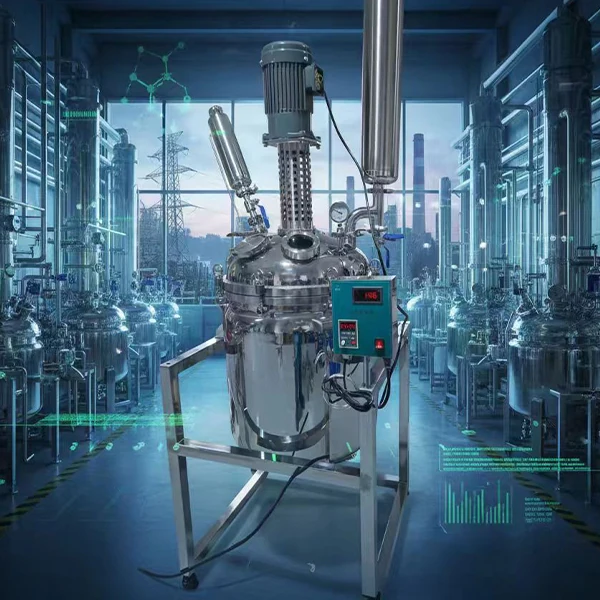
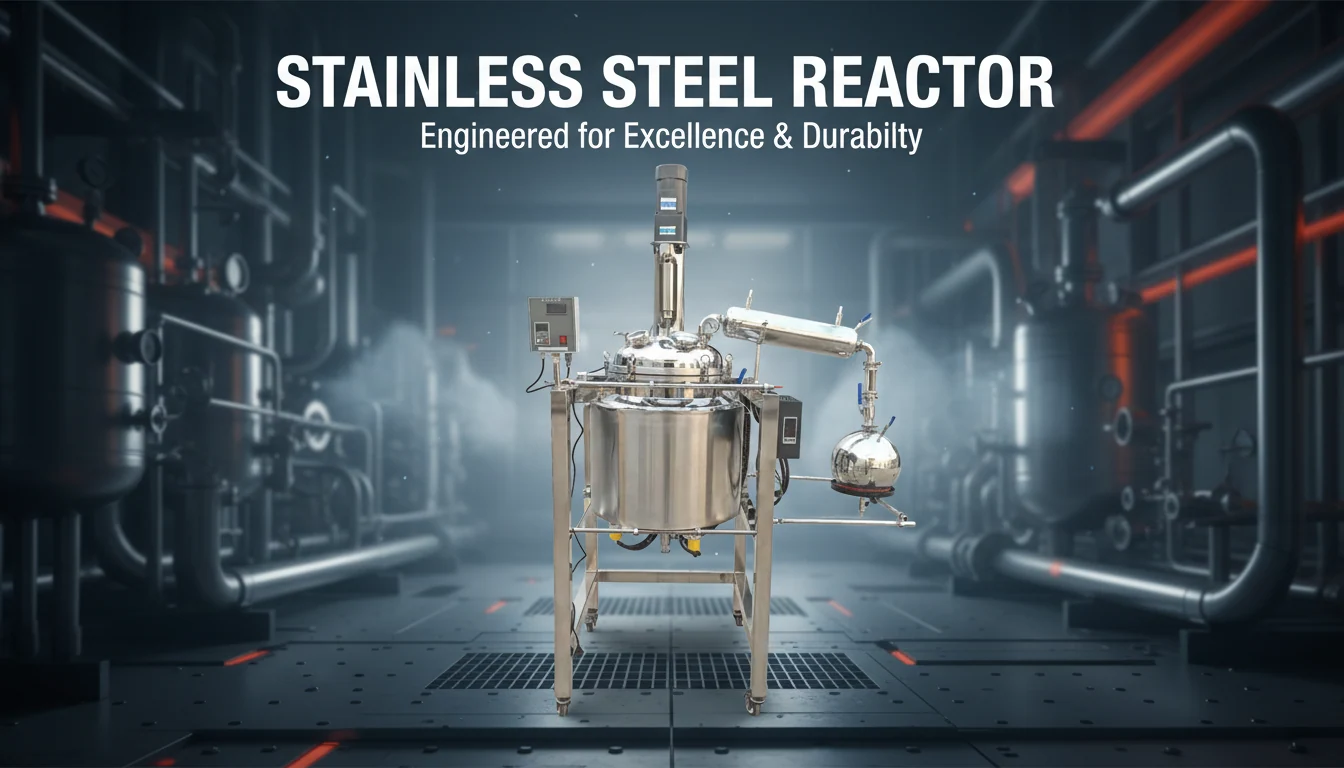
A stainless steel chemical reactor is a vessel designed to house and facilitate chemical reactions. These reactors are made from stainless steel alloys, which are prized for their corrosion resistance, strength, and ability to withstand high pressures and temperatures. Stainless steel reactors are commonly used in industries such as pharmaceuticals, food processing, and petrochemicals, where high-quality products and safety are paramount.
These reactors come in various configurations depending on the type of reaction and process needs, such as batch reactors, continuous reactors, stirred-tank reactors, and plug-flow reactors.
One of the most important reasons why stainless steel is preferred for chemical reactors is its superior corrosion resistance. Stainless steel alloys contain chromium, which forms a thin, protective oxide layer on the surface, preventing rust or degradation when exposed to chemicals, moisture, and air.
In industries dealing with aggressive chemicals like acids, alkalis, solvents, or oils, the corrosion resistance of stainless steel ensures that the reactor’s integrity is maintained, reducing the risk of contamination or leaks.
Stainless steel is known for its robust durability and ability to withstand mechanical stress, making it ideal for industrial reactors that are subject to constant use. Unlike other materials, stainless steel does not degrade over time, which means lower maintenance costs and fewer replacements.
Because stainless steel reactors can last for decades, they are an excellent long-term investment. The material’s ability to handle high temperatures (up to 800°C or more) and pressures ensures that even in harsh operating conditions, the reactor performs optimally.
Stainless steel reactors are ideal for processes requiring high temperatures and pressures. Stainless steel’s resistance to thermal expansion and its ability to maintain structural integrity under extreme conditions make it perfect for chemical reactions such as hydrogenation, polymerization, and catalytic cracking, which often involve elevated temperatures and pressures.
With 316 stainless steel being particularly effective in high-pressure applications, it’s a common material choice for reactors involved in energy generation, petrochemical processing, and other similar applications.
In industries like food processing and pharmaceuticals, hygiene is a top priority. Stainless steel is non-reactive and has a smooth surface that doesn’t harbor bacteria or pathogens. This makes stainless steel reactors easy to clean and sanitize. In fact, many industries use passivation treatments on stainless steel reactors to further enhance their hygienic properties, ensuring there is no contamination during the reaction process.
Stainless steel reactors can be designed and fabricated to meet the specific needs of each industrial application. From batch processing to continuous production, stainless steel reactors can be made in a variety of sizes and configurations, with additional features such as:
The ability to customize these reactors makes them versatile across numerous sectors, including pharmaceuticals, chemical manufacturing, energy production, and biotechnology.
In an era of growing environmental concerns, stainless steel chemical reactors contribute to sustainable practices. Their longevity reduces the need for frequent replacements, minimizing waste and energy consumption associated with manufacturing new equipment. Furthermore, stainless steel is recyclable, which helps reduce the carbon footprint associated with its production and disposal.
While stainless steel may come with a higher initial investment compared to other materials, its long-term cost efficiency is unmatched. Thanks to its durability, resistance to corrosion, and minimal maintenance needs, stainless steel reactors help businesses save money on repairs and downtime. For industries that rely on continuous production, the longevity of stainless steel reactors leads to a reduction in overall operating costs.
In the pharmaceutical industry, precision is critical. Stainless steel reactors are used to manufacture active pharmaceutical ingredients (APIs), biological drugs, and vaccines, where consistency, hygiene, and contamination-free processes are vital. The corrosion resistance of stainless steel ensures the quality of the products, while its temperature and pressure tolerance supports reactions that require strict control.
Stainless steel reactors are extensively used in the food and beverage industry for processes such as fermentation, flavor extraction, and the production of edible oils. The non-reactive nature of stainless steel ensures that the integrity and taste of food products are not compromised, while its ease of cleaning helps maintain compliance with food safety regulations.
In the petrochemical sector, stainless steel reactors are essential for processes such as hydrocracking, refining, and polymerization. These reactors handle extreme temperatures and pressures, ensuring efficient production of fuels, plastics, and other chemical derivatives.
Stainless steel reactors also play a significant role in environmental processes such as wastewater treatment and waste-to-energy technologies. Their corrosion resistance makes them ideal for handling aggressive waste materials, while their customizable features ensure they meet specific environmental standards.
| Model | BSF-10L | BSF-20L | BSF-30L | BSF-50L | BSF-100L |
| Power(W) | 200(1:3) | ||||
| External dimensions(mm) | 540*480*1800 | 550*700*1830 | 550*700*1950 | 700*600*2050 | 700*800*2270 |
| Number of cauldron lid openings | 8 | ||||
| Temperature measurement port | 50.5 chuck / φ8 temperature measuring tube | 50.5 chuck / φ12 temperature measuring tube | |||
| Drop hole | 50.5 mm chuck/1000 ml funnel | 50.5 mm chuck / 2000 ml funnel | |||
| Return hole | 50.5 chuck / φ38 | 50.5 chuck / φ38 | |||
| sight glass | φ51 | φ89 | |||
| sight glass | φ32 | / | |||
| Feeding port | / | φ89 | |||
| Pressure gauge port | 50.5 mm chuck / integrated pressure gauge | ||||
| exhaust vent | 2-way exhaust valve | ||||
| Mixing hole | SUS316L propeller-type mixing impeller | ||||
| High and low temperature resistance (°C) | -120~260 | ||||
| Stainless steel thickness (mm) | φ3 | φ4 | |||
| Discharge valve port diameter | φ35 | ||||